
Energy Vampires and Narcissists
What’s Really Going On Beneath the Surface
The phrase “energy vampire” gets used a lot nowadays, sometimes used jokingly, sometimes with frustration and sometimes as a way to describe that drained, hollow feeling after interacting with certain people. While the phrase can sound dramatic, it actually points to something very very real that is happening beneath the surface of relationships, friendships and family dynamics.
Transpersonal psychology offers a way to understand this dynamic without resorting to pop-psych labels or moral judgement.
An energy vampire isn’t stealing something mystical, they’re drawing on emotional and psychic resources they can’t generate for themselves.
Who Was Carl Jung, and Why Does He Matter Here?
Carl Jung was a Swiss psychiatrist and psychotherapist, and one of the founders of depth psychology. Unlike approaches that focus mainly on behaviour or symptoms, Jung was interested in the inner life : dreams, symbols, myths, the unconscious and the lifelong process of becoming a whole, integrated person (individuation).
His work explored what happens when people lose contact with their inner world, and how relationships can become distorted when this inner balance breaks down. Many modern ideas about narcissism, projection and emotional entanglement are rooted in Carl Jung’s thinking and work.
Narcissism as a Survival Strategy
From this perspective, narcissism isn’t simply vanity or self obsession. More often, it’s a defensive structure, a survival strategy.
When someone struggles to feel stable or real from within, their psyche compensates and their ego inflates because it has to do too much work. Attention, admiration, reassurance, emotional reaction and even conflict, all become psychological fuel.
For some people, attention isn’t just a want, it is an essential requirement for their inner stability. Without that external engagement, their inner world can feel frighteningly empty.
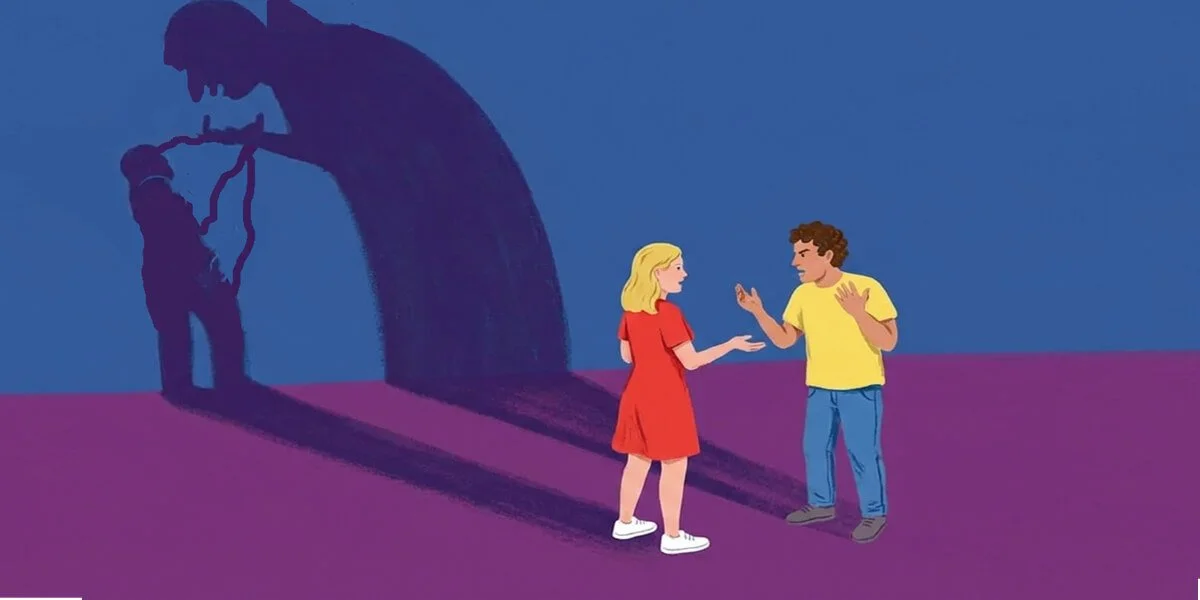
What is the Ego?
The ego is the part of us that says “this is who I am.” It’s our sense of identity and self-image, and it helps us function in everyday life by making decisions, setting boundaries and protecting us emotionally. A healthy ego is flexible, it can handle feedback, disagreement and change without falling apart. A fragile ego, on the other hand, needs constant reassurance from the outside, constant external validation to feel that it exists. Even the mildest criticism or any disagreement can feel like an attack, and lack of attention can feel deeply unsettling and even threatening. When the ego isn’t secure, outside relationships often become the place where it looks for stability, often to the detriment of the other person.
Where the “Energy Drain” Comes From
What people experience as being “drained” is usually the result of unconscious emotional transfer (this is a very real thing).
Unprocessed feelings such as shame, rage, fear, helplessness, are pushed outward instead of being worked through internally. Other people are subtly drawn into holding those emotions for the fragile one, allowing the person projecting to feel calmer and more grounded and stable. However, the person giving this stability (completely without their knowing) usually feels exhausted, confused or emotionally overloaded.
So, one person feels lighter and the other feels heavier. That imbalance is the giveaway that an energy drain (energy vampire) is at work. This process is often not deliberate, its more an automatic and unconscious process.
Avoiding Their Inner World through Chaos
Rather than turning inward for stability or to reflect, these people more often externalise their inner conflict.
Their unconscious drama, blame, emotional intensity and recurring crises keep the focus outside of themselves. Inner stillness would require self reflection, and self reflection threatens their fragile balance of holding everything inside themselves together. Calm does not feel safe to someone whose inner world is unstable.
This is why they often experience clear, calm boundaries as rejection or cruelty, even when these boundaries are reasonable and kind.
A Thin Inner Life
People caught in this dynamic often have limited access to an inner symbolic world. Dreams, imagination, reflection and inner dialogue are the spaces where the psyche renews itself and when these areas are weak or undeveloped, the ego becomes the only point of reference and other people then are used to function as mirrors, containers (emotional dumping grounds) or emotional regulators.
When there’s little inner nourishment, relationships become the food source. This is where the “vampiric” quality comes in, not as malice, but as dependence, survival.
Why Empaths Are Targeted
These dynamics don’t affect everyone equally, some people are not empathic enough to be a satisfying food source. People who are empathic, reflective, emotionally attuned or psychologically curious tend to be most affected. They naturally listen, hold space and try to understand rather than react. Their depth makes them a rich source of emotional energy for someone who lacks it internally.
Therefore those with rich inner resources are most likely to be drained by those without them.
Why This Feels So Invasive
This experience often feels deeper than ordinary relational difficulty because it activates unconscious roles. Someone may easily find themselves becoming the caretaker, the emotional container/dump or the mirror for the energy vampire and are very often then blamed for everything that the other is lacking. These roles aren’t consciously chosen, they are pulled into place beneath awareness, from the unconscious mind (subconscious mind).
What feels violating is often the loss of choice, the empath finds themselves in a situation that they do not understand and they have no idea what to do about it. They are enmeshed and that’s why the confusion and pain can linger long after the interaction ends.
Why Understanding Doesn’t Fix It
One of the hardest truths here is that insight and compassion don’t resolve this dynamic. Explaining, empathising, understanding or offering endless patience often strengthens the pattern rather than healing it. Real change would require self awareness of the other, they would have to choose to develop self reflection, and have a willingness to face their inner emptiness.
These experiences would feel intolerable to someone organised around narcissistic defence and they will never choose this path of self responsibility. Their healing would require capacities that they just aren’t capable of, inner resources that they just don’t have.
What Actually Helps
Transpersonal therapy doesn’t recommend hostility or blame, it recommends withdrawing your emotional energy.
Withdrawing your energy means;
Not engaging with their projected drama,
Not carrying feelings that don’t belong to you,
Not being responsible for how they feel,
Setting boundaries without over explaining them,
Allowing the other person to experience their own discomfort.
When the emotional supply stops, something has to change.
Either the relationship reorganises, they start taking responsibility for themselves, or it falls away.
An Important Distinction About Narcissism
Not all narcissism is unhealthy, some degree of self focus is a normal developmental phase, and healthy self regard is essential for psychological and emotional stability.
What people often experience as “energy vampires” tend to fall into defensive narcissism, where the self is held together through others because it can’t stand on its own.
Modern culture rewards ego inflation, but offers little support for inner development and maybe that is why these dynamics feel so common and so exhausting.
A Closing Reflection
Not every draining relationship fits neatly into a category, and not every difficult person is an “energy vampire.” What matters more than labels is awareness of how certain interactions feel within the body, how your energy shifts in the presence of another and whether a relationship allows room for reciprocity, rest and inner quiet.
Paying attention to these subtle signals isn’t about judgement or withdrawal from connection; it’s about recognising where emotional energy flows freely and where it leaks away.
From that awareness, clearer choices will emerge naturally, guided by self respect rather than obligation.
